
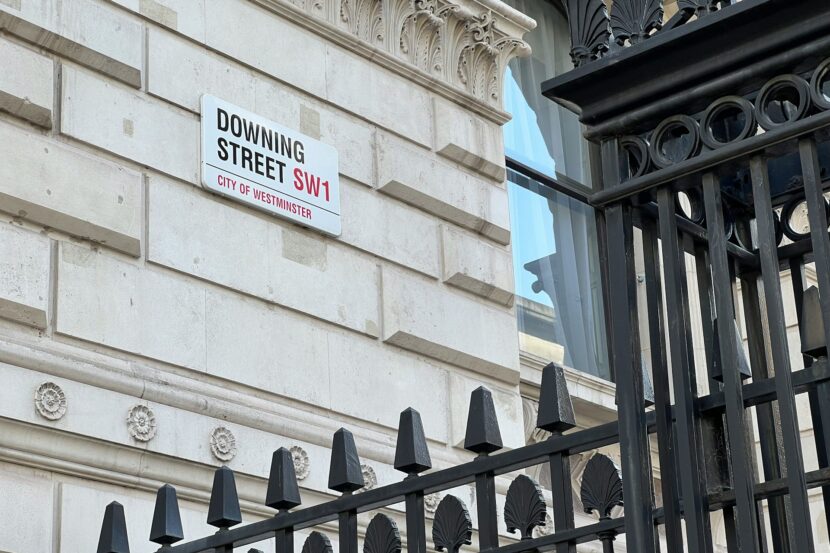

Andy Burnham has arrived in Downing Street promising to move “faster and bolder” than his predecessor. Focusing on housing, transport and the cost of living, but there is another area where he could make a meaningful difference: pensions. The pensions sector does not need another prolonged debate about direction of travel. It already has one.
The contours of reform are already clear. Collective Defined Contribution (CDC), surplus release from well-funded defined benefit schemes and pensions dashboards all have the potential to improve retirement outcomes, support economic growth and strengthen the connection between workers and their savings. The question is no longer what to do. It is whether government is prepared to get on with it.
Burnham’s politics have been shaped as much by Greater Manchester’s tradition of co-operation and local leadership as by Westminster. That should give him an instinctive appreciation of pensions at their best: workers acting collectively to build long-term security while creating pools of capital that can support wider economic growth.
The government’s pension reform programme already contains many of the building blocks. Last week’s announcements were significant.
The question now is where the new government chooses to focus its energy.
Take CDC. For years, it has been presented as a way of delivering better retirement outcomes through collective risk-sharing, yet progress has been painfully slow. The regulatory conversation is now moving beyond whether CDC should exist and towards how it can operate safely. That should be a signal to accelerate rather than hesitate.
The same applies to surplus release. The UK pension system sits on substantial surpluses while the wider economy continues to seek productive capital. Sensible safeguards are essential, but so is creating clearer pathways for well-funded schemes to deploy surplus in ways that benefit sponsors, members and economic growth.
Then there are pensions dashboards. Few reforms have the potential to have such a direct impact on savers. Giving people a clear picture of their retirement savings is not simply a technology project; it is a financial empowerment not to be dismissed.
There is also a question of political bandwidth. Governments have a habit of mistaking activity for progress. Pension policy is no exception. But there is a danger that government ends up spending its time measuring the system rather than improving it. Scale is useful if it delivers better outcomes but
It is not an objective in itself.
The bigger opportunity lies elsewhere: expanding CDC, unlocking surplus capital and delivering dashboards improving member’s journey. These are reforms that could make a tangible difference to workers, savers and UK plc.
Pension policy is a long game. The benefits of decisions taken today may not be fully realised for years. That is precisely why government should spend less time perfecting frameworks and more time implementing reforms that are already broadly understood.
What it needs now is focus.
And if Britain’s new Prime Minister truly intends to move faster, pensions would be an excellent place to start.